
Reading time: 6mins
A Controversial Exploration of Art and its Appreciation
By Shagufta Shakeel
Art has long been a topic of debate, discussion, and sometimes, derision. Many people, especially those outside the traditional art circles, often perceive art as a domain reserved for the elite—a playground for snobs. But is this perception accurate, or is it merely a reflection of societal misconceptions? In this blog, I want to explore the argument that art is, in fact, for everyone, and that the notion of it being a snobbish endeavour is rooted in misunderstanding rather than reality.
The Historical Snobbery of Art
Art has traditionally been associated with wealth and privilege. In the past, the elite commissioned grand works to showcase their status, while the common folks were largely excluded from these cultural society and events. The grandiose galleries and auction houses of then, have continued to prosper and evoke a sense of exclusivity, making art seem like a niche club where only the wealthy and educated can gain entry.
Moreover, the language surrounding art can be confusing and intimidating. Art critics, historians, and academics often use terminology that can alienate those who are not versed in the subject. Words like “juxtaposition,” “avant-garde” or the countless ‘isms’ can feel like a secret code, one that only a select few possess the key to decipher. This can create a perception that appreciating art requires a certain level of sophistication or education, which is a barrier to entry for many.
The Misunderstanding of Art Appreciation
This perception of art as snobbish is fundamentally flawed. At its core, art is a means of expression— an exploration of ideas, feelings, and perspectives. While some may argue that understanding art requires specialised knowledge, the truth is that everyone has the capacity to appreciate art in their own way.
Art is subjective; what resonates with one person may not resonate with another. This subjectivity is what makes art so rich and diverse. It allows for personal interpretations and emotional connections that transcend the boundaries of education or social class. Just because someone may not understand the intricacies of art theory or does not hold a degree in classical art doesn’t mean they cannot appreciate the beauty or emotional weight of a piece.
The Role of Botanical Art
Let’s take a moment to consider a specific genre of art: botanical art, which is close to my heart. Often overlooked in discussions about fine art, botanical art beautifully merges science and creativity. From the detailed illustrations of plants that have adorned the pages of scientific texts to contemporary artists using flora as their inspiration, botanical art has a unique ability to connect with people from all walks of life.
Botanical art invites the viewer to appreciate nature’s intricacies and diversity. It encourages a sense of wonder and curiosity, qualities that are inherently human and not confined to the elite. The beauty of a well-executed botanical piece can resonate with anyone, whether they are a seasoned art collector or someone who simply enjoys gardening like my husband who couldn’t be further from art as an IT infrastructure Project Manager.
However, even within the realm of botanical art, a sense of snobbery can creep in. Some may dismiss certain pieces as “casual art” or argue that they lack the depth of more abstract works. This is where the controversy lies: the idea that botanical art is somehow lesser than “fine art” simply because it appears more accessible and resonates with more people. In reality, the intricate details and scientific accuracy required in botanical art demand exceptional skill and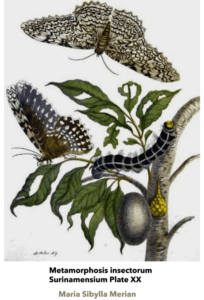 dedication, deserving of highest recognition and respect. Look at some of the work by Maria Sibylla Merian, an unconventional 17th century female botanical artist of exceptional originality. You can read more about her work and life at ‘The British Museum’ website.
Breaking Down Barriers
In recent years, there has been a significant shift in how we view art. The rise of social media platforms has democratised art appreciation, allowing anyone with a smartphone to access and share art (and opinions). Artists are no longer confined to gallery spaces; they can showcase their work to a global audience, garnering appreciation from all demographics.
Moreover, community art initiatives and public installations (pov Banksy) have broken down barriers, inviting participation from people of all ages and backgrounds. Art is no longer an exclusive experience reserved for the upper class or rich; it has become a communal activity that fosters connection and communication.
Art for Everyone
To universally embrace art, we must actively challenge the notion that it is for higher classes. In my opinion the easiest way to do it is by promoting art education that emphasises enjoyment and personal connection over elitist understanding. Encouraging people to share their interpretations and experiences with art—regardless of their expertise—can help cultivate a more inclusive environment.
Additionally, we should celebrate artists from diverse backgrounds and disciplines, including those who work outside traditional frameworks. This includes not only artists from certain genre or medium but also street artists, craftspeople, and digital creators. Each offers a unique perspective, and their contributions enrich our understanding of what art can be.
Embracing the Controversy
While art may have been historically perceived as a snobbish domain, this view is outdated and misleading. Art is a reflection of the human experience, and it should be accessible to everyone, regardless of their background or education. The beauty of art lies not in its exclusivity but in its ability to connect us, challenge us, and inspire us.
As we continue to explore and appreciate the diverse world of art — including the often underappreciated realm of botanical art — let us remember that true appreciation comes from the heart, not the wallet or the degree.
Art has no boundaries, and it is time we embraced that truth, breaking down the barriers that keep us from experiencing its beauty.
Let’s celebrate the artistic endeavours around us, engage in conversations about what resonates with us, and invite others into this vibrant world of art — snobs be damned!